


Understanding Your Solar Billing Plan
When the sun is out, your solar panels are hard at work, helping to power your home. On the Solar Billing Plan, your bill may look different. This page explains how your billing plan works, including credits you may earn for sending energy to the electric grid, charges for the electricity you use from SCE, monthly fees, and your annual settlement bill.
How the Solar Billing Plan Works in 3 Simple Steps
Your home or business uses your solar power first.
On sunny days, your solar panels make energy to help power your home first. Using more of that energy while it’s being made can help lower how much electricity you need from SCE’s electric grid.
💡Running larger appliances such as a dishwasher, dryer or pool pump during sunny daytime hours is one of the easiest ways to use more of your solar energy.
Factors That Affect Your Monthly Bill
Your monthly bill depends on a few things: regular monthly charges, how much electricity you use from the grid, when you use it, how much energy your system sends back and when it is sent back.
Every solar customer pays regular charges each month, including taxes, fees and a Base Services Charge, which covers the cost of connecting you to the electric grid and supports state programs to assist income-qualified customers.
Your bill covers the cost of generating the electricity you use and delivering it to your home.
When you use electricity also affects what you pay. Solar Billing Plan customers are on the TOU-D-PRIME rate plan. On this rate plan, prices are highest on summer weekdays from 4-9 p.m., when demand for energy is highest.
For customers with a battery, storing extra energy from your solar panels and using it when prices are highest is one of the most effective ways to lower your bill.
You earn credits when you send extra energy to the grid. This will appear on your bill as Energy Export Credits. When you export during high demand hours, like summer evenings, you earn more credits than when you export midday or in winter months.
Your solar bill will look different from a standard electric bill, but it can be easier to understand when you know where to look. Our solar bill guide shows you where to find how much electricity your home used from the grid, how much extra energy your solar system sent back and how much you received in Energy Export Credits.
Explore the Guide to Your Solar Bill.
How Your Solar Credits Are Valued
On your bill you may see an Energy Export Credit broken down by delivery and generation. The credit amount you receive changes based on how much energy you send to the grid and how much the grid needs it. Credits are measured in kilowatt-hours, or kWh. The California Public Utilities Commission determines how these values are calculated.
Credits may be higher:
- 4-9 p.m., when people return home from work and begin running household appliances
- Summer months (June-September), when more electricity is used to cool down homes and businesses
Credits may be lower:
- 6 a.m.-4 p.m., when solar energy is widely available
- Winter months (October-May), when less electricity is used overall
Currently, for new Solar Billing Plan customers, rates are locked in for nine years based on the year you began using solar with SCE. For customers moving into a house that already has solar, the current year’s prices are your actual prices. After that, prices may change.
Here is a quick glance at what average values may look like based on time and season.
| Summer | ||
| Daytime | Evening | Overnight |
2023 | $0.05 kWh | $0.23 kWh | $0.07 kWh |
2024 | $0.05 kWh | $0.23 kWh | $0.07 kWh |
2025 | $0.06 kWh | $0.21 kWh | $0.12 kWh |
2026 | $0.06 kWh | $0.21 kWh | $0.12 kWh |
| Winter | ||
| Daytime | Evening | Overnight |
2023 | $0.03 kWh | $0.05 kWh | $0.04 kWh |
2024 | $0.03 kWh | $0.05 kWh | $0.04 kWh |
2025 | $0.03 kWh | $0.09 kWh | $0.10 kWh |
2026 | $0.03 kWh | $0.10 kWh | $0.10 kWh |

Learn more about Energy Export Credits.
Energy Export Bonus Credit
Eligible Solar Billing Plan customers who enroll before 2028 also receive an additional credit of about $0.04 per kWh for residential customers and about $0.09 per kWh for income-qualified customers.
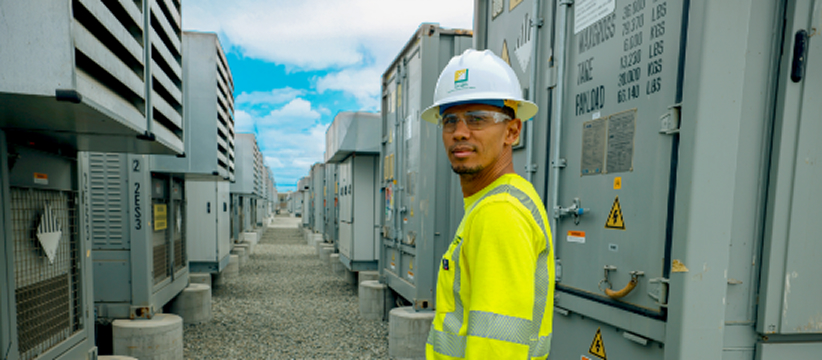
Pair your solar with battery storage
Your Annual Settlement Bill
Once a year, you will receive a settlement bill, also called a True-Up bill.
For the bill, SCE reviews how much electricity your home used from the grid, how much energy your system sent back to the grid and whether any credits need to be adjusted.
You will receive this bill the same month your system started service. For example, if your system started service in March, you would receive your True-Up bill each March. This yearly cycle is sometimes called a relevant period.

What Is Reviewed for Your Settlement Bill
Throughout the year you earn Energy Export Credits when your solar panels send extra energy to the grid. These credits are applied to your monthly bills to help offset eligible charges.
For your settlement bill, we review your solar account for the full year. We compare the following:
- How much electricity your home used from the grid
- How much energy your solar panels sent back to the grid
- How much you received in Energy Export Credits
If your panels sent back more energy than your home used, some of the credits you received during the year may need to be adjusted.
Here is an example:
- Throughout the year, your home used 900 kWh of electricity from the grid.
- Throughout the year, your solar panels sent 1,000 kWh back to the grid.
In this example, your credits helped offset the cost of the 900 kWh your home used from the grid that year. The credits for the extra 100 kWh are then adjusted in your settlement bill.

View where these items appear on a sample bill.
Energy Export Credits are meant to help offset eligible electricity charges. They are not meant to erase your bill completely or create income from extra energy, as that could raise costs for customers who do not have solar. This approach was designed to encourage customers to size their solar panels based on their home’s’ energy needs.
Because of this, some of the extra credits you received during the year will be reduced. Since those credits were already applied to your monthly bills, the adjustment will show up as a balance on your annual settlement. On your bill, this may appear as an “EEC Adjustment.”
If you generate more electricity than you use throughout the year, you may be eligible to receive Net Surplus Compensation for your excess generation.
NSC is treated as a financial transaction, not a standard bill credit. Eligible extra energy earns a payment or credit at the Net Surplus Compensation Rate after your annual settlement is completed. This may be issued as a check or rollover credit, depending on your selection and eligibility.
The NSCR is about $0.02, but this can change overtime. It may not cover the full amount of your True-Up credit adjustments.
Keeping track of your solar energy production and usage throughout the year can help you better understand what to expect in your Settlement Bill.
Consider battery storage. Using stored energy when your systems may not be producing as much, such as at night or on cloudy days, can help you use more of your solar energy to power your home.
Your True-Up settlement will show up with on your regular monthly bill and may look something like this:

Log into My Account now and start tracking your monthly solar statements.